

OUR SERVICESPreventative Dentistry

Patient Education and Home Care Guidance
-
Brushing
Brush twice a day (morning and bedtime).
Use a soft-bristled toothbrush and fluoride toothpaste.
Angle the brush at 45° to the gumline and use gentle, circular motions.
Brush for two full minutes (try an electric toothbrush with a timer).
Don’t forget your tongue — it harbors bacteria that cause bad breath.
-
Flossing and Interdental Cleaning (Between the teeth)
Floss once daily to clean between teeth where your brush can’t reach.
Curve the floss into a “C” shape around each tooth and slide gently under the gumline.
Alternatives: interdental brushes, water flossers, or soft picks (great for people with bridges or braces).
-
Diet and Lifestyle Choices
Limit sugary snacks and drinks — frequent sugar intake feeds cavity-causing bacteria.
Drink plenty of water throughout the day.
Eat a balanced diet with calcium-rich foods (dairy, leafy greens) to support strong teeth.
Avoid smoking or vaping, which increase the risk of gum disease and oral cancer.
-
When to replace Toothbrush and interdental tools
Replace your toothbrush (or brush head) every 3months, or sooner if bristles are frayed or you get sick.
Store brushes upright and let them air-dry — don’t share toothbrushes.
-
Snoring and Sleep Apnea
Snoring and sleep apnea don’t just affect your sleep — they can impact your overall health. At Toothworx, we can screen for signs of sleep-disordered breathing. We refer you to see specialist that test for central and obstructive sleep apnea. If your case is just snoring or mild-moderate sleep obstructive sleep apea, we can provide custom oral appliances that gently reposition your jaw and airway while you sleep. These devices are comfortable, discreet, and can reduce snoring and mild to moderate sleep apnea, helping you (and your partner) rest easier.
-
Protecting your Teeth
Wear a custom mouthguard for sports.
If you grind your teeth at night, ask about a nightguard to protect against wear.
Dental Hygiene Appointments
-
The purpose
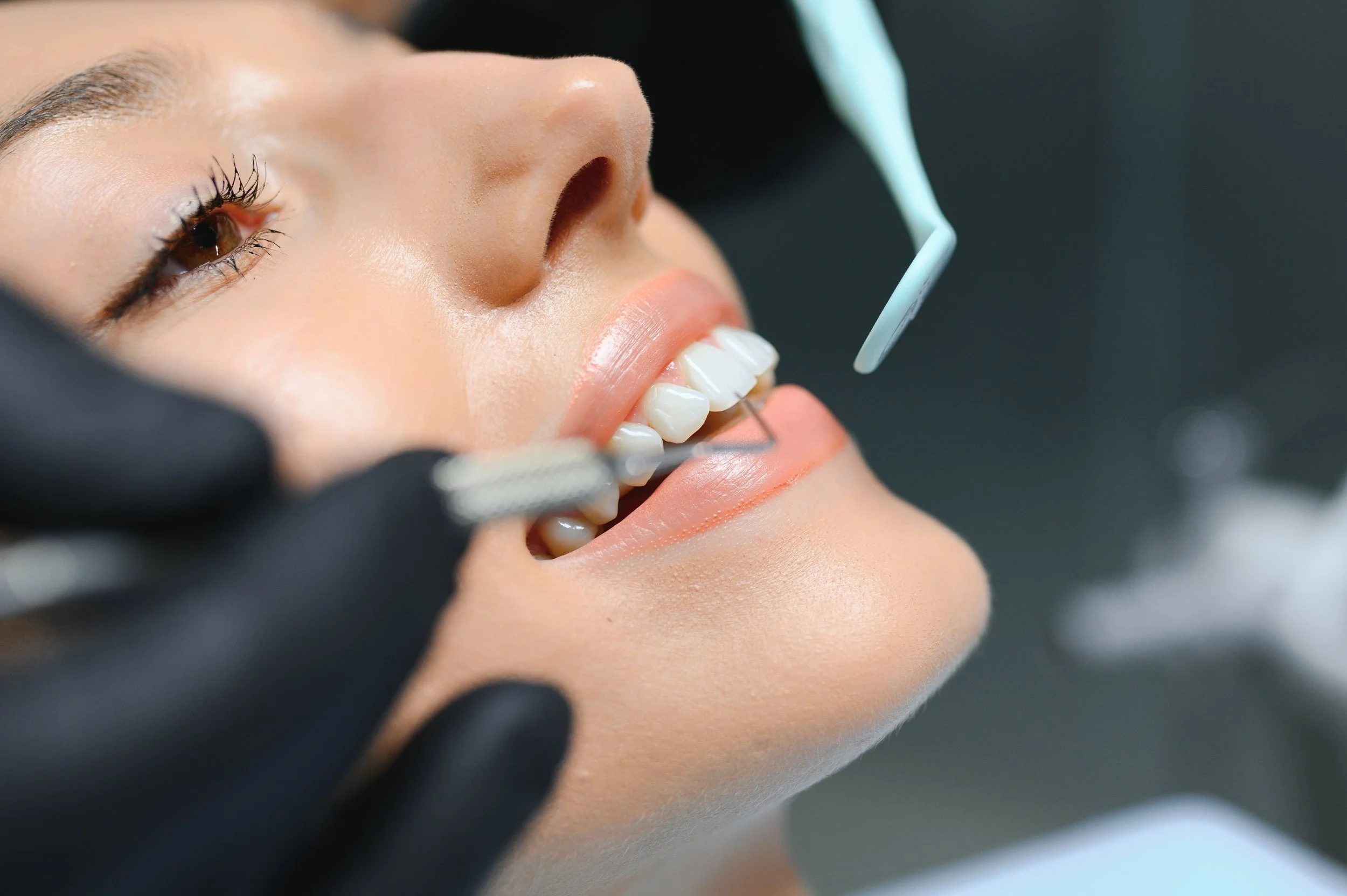
Our dental hygiene appointments focus on educating you and providing personalized care to maintain your teeth and gums. We perform essential procedures like scaling and polishing to remove plaque, tartar, and stains. We also make sure that all existing restorations are healthy and that our patients do not have any concerns within their oral cavity.
-
Periodontal screening
During each visit, we perform a periodontal screening, with full-mouth measurements documented annually. This screening measures the depth of pockets around your teeth, recession, bleeding areas, and tooth mobility, helping us assess the level of care you need. Healthy gums typically have pockets measuring 1-3mm, but in cases of gingivitis or periodontitis, these pockets can be much deeper, making them harder to clean and requiring more attention.
-
The importance of x-rays
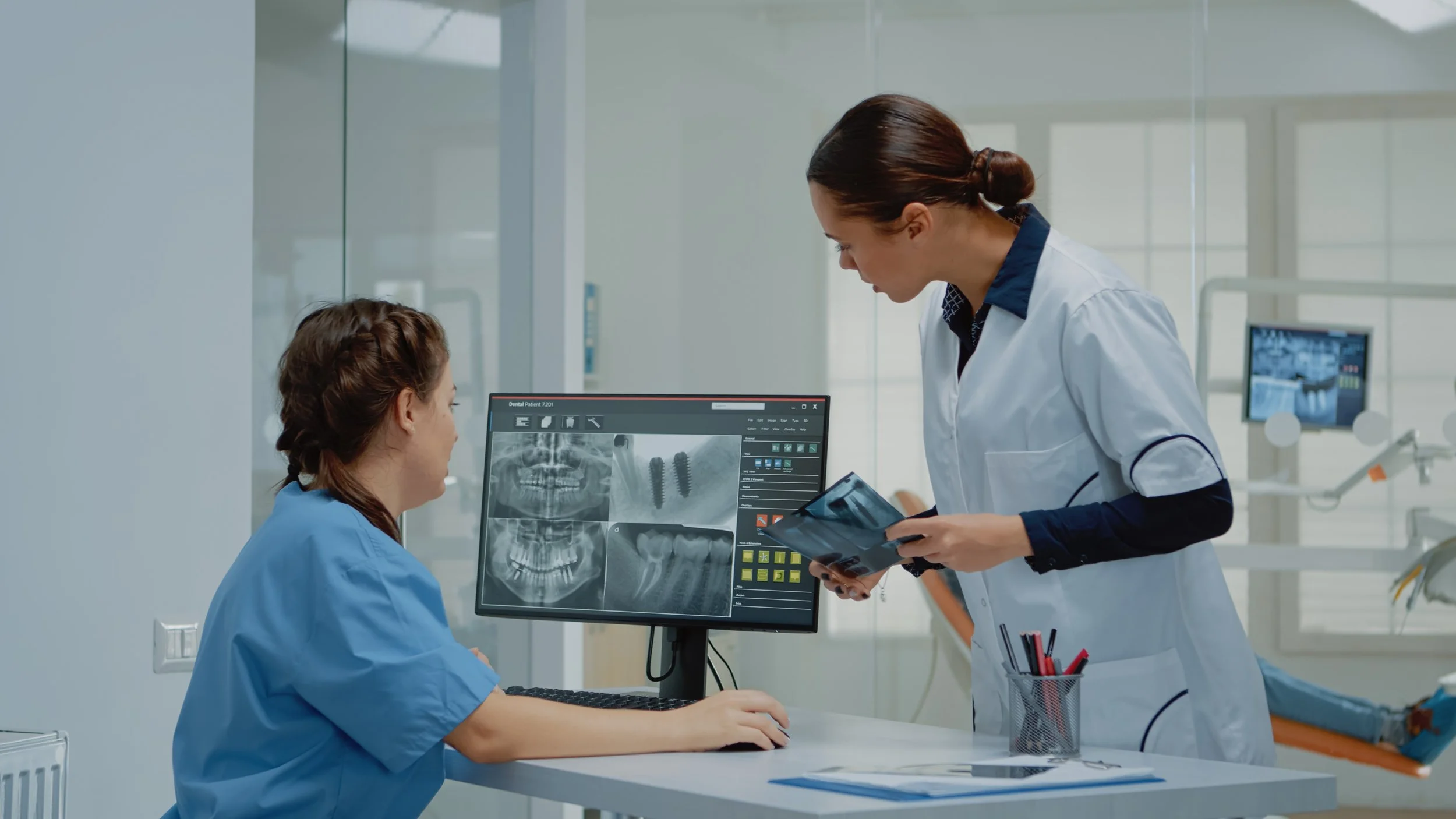
X-rays are a key part of your dental hygiene appointments. Bitewing x-rays are taken every 1-2 years to assess bone levels and cavities, while panoramic x-rays are done every 3-5 years and help us capture a broad view of your mouth in a single large image - including your teeth, jaws, temporomandibular joints (TMJ), sinuses and surrounding structures. Periapical x-rays may also be used to examine the roots of your teeth and areas surrounding the roots.
Without x-rays, 2/3 of the tooth structure and most of the oral cavity is hiding. To ask us to give an accurate assessment of our patients without these diagnostic tools is like asking us to guess your health, which we are uncomfortable with. We are committed to the health of our patients and would never ask for any unnecessary radiographs.
-
Appointment length
The duration of your dental hygiene appointment varies based on your individual needs and the specific care required during your visit. Each session is tailored to ensure you receive the best possible care and is typically 50-70 minutes in length.
-
The role of home care
Although you spend a few hours a year in our hygiene chair, the bulk of your dental care happens at home. Maintaining a strong oral hygiene routine is essential to keeping your teeth and gums healthy between visits.
-
Appointment frequency
Your recare intervals are based on your specific needs rather than insurance coverage. Patients with gingivitis or periodontitis may require more frequent visits to maintain optimal oral health. This is completely individualized and we do our best to keep it within your coverage.
We recommend visiting us every 3, 4 or 6 months.

Routine Dental Exams
-
The purpose
Routine dental exams, typically lasting no more than 10 minutes, are crucial for preventing emergency situations and ensuring long-term oral health. These exams should occur every 6-12 months to catch any potential issues early.
-
Comprehensive health checks
During the exam, the dentist thoroughly checks your head and neck for abnormal lymph nodes, assesses the health of your gums, and examines intra-oral tissues for signs of oral cancer. Additionally, the integrity of existing restorations, such as fillings, crowns, implants, and bridges, is evaluated to ensure everything is in good condition.
-
Review & recommendations
The dentist reviews any up-to-date x-rays and advises if further imaging is needed. This careful review helps to catch issues early, with the benefit of having two sets of eyes—your dentist and hygienist—working together to keep your oral health in top shape.

Dental Sealants
-
What are sealants?
Sealants are a protective coating applied to the chewing surfaces of the back teeth (molars and premolars) to prevent cavities. This thin, plastic-like coating quickly bonds into the grooves of the teeth, forming a shield over the enamel to block out food particles and bacteria.
-
Why sealants are important
Sealants are especially beneficial for children and teenagers, as their back teeth are more prone to cavities due to the deep grooves and pits where food and plaque can easily get trapped. By preventing cavities, sealants help reduce the need for more extensive dental treatments in the future.
-
Who should get sealants?
Sealants are recommended for children as soon as their permanent molars and premolars come in, usually between the ages of 6 and 14. However, adults with deep grooves or a history of cavities may also benefit from sealants.
-
The application process
Applying sealants is a quick and painless procedure. The tooth is first cleaned and then treated with a special gel to help the sealant bond to the tooth surface. After the gel is rinsed off and the tooth is dried, the sealant is painted onto the enamel, where it hardens almost immediately, often with the help of a special curing light.
-
How long do sealants last?
Sealants can protect teeth from decay for up to 10 years, but they need to be checked regularly by your dentist for wear and tear. If necessary, sealants can be reapplied to ensure continued protection against cavities.
-
Part of your care plan
While sealants are a powerful tool in preventing cavities, they are just one part of a comprehensive preventive care plan. Regular dental check-ups, proper brushing and flossing, and a healthy diet are all essential to maintaining good oral health.
Dental X-Rays
-
What are dental x-rays?
Dental x-rays are diagnostic tools that provide detailed images of your teeth, bones, and the surrounding soft tissues. They help your dentist detect issues that aren't visible during a regular dental exam, such as cavities between teeth, bone loss, or impacted teeth.
-
Why dental x-rays are important
Dental x-rays are crucial for early detection of dental issues, allowing your dentist to diagnose problems before they become more serious. By identifying issues early, x-rays help in planning effective treatment and preventing more extensive dental procedures in the future.
-
Types of dental x-rays
Dental x-rays come in several forms, each with a specific purpose. Bitewing x-rays focus on the upper and lower back teeth to detect decay and monitor bone levels. Periapical x-rays provide a full view of the tooth, from crown to root, to assess its overall health. Panoramic x-rays offer a wide-angle view of the entire mouth, including teeth, jawbones, and sinuses, and are useful for identifying impacted teeth, tumors, and bone abnormalities.
-
How often should you have them?
The frequency of dental x-rays depends on your individual needs, risk factors, and dental history. Typically, bitewing x-rays are taken every 1-2 years, while panoramic x-rays are recommended every 3-5 years. Your dentist will advise you on the appropriate schedule based on your oral health.
-
Are dental x-rays safe?
Dental x-rays are considered safe, with extremely low levels of radiation exposure. At Toothworx, we use modern digital x-ray equipment, including handheld devices that produce minimal scatter radiation. Thanks to advancements in technology, the need for protective measures like lead aprons is no longer required. The benefits of early detection and treatment far outweigh the minimal risks associated with x-rays.
-
Part of your care plan
Dental x-rays are an integral part of your comprehensive dental care. They work alongside regular exams, cleanings, and preventive treatments to ensure your teeth and gums stay healthy. By combining x-rays with other preventive measures, your dentist can provide you with the most effective care possible.

Deprogrammers and NTI AppliancesManaging Bite Issues
-
Symptoms of bite problems
Bite problems can manifest through various symptoms, including clenching or grinding teeth, headaches, neck and shoulder pain, jaw locking or popping, facial muscle pain, and TMJ discomfort. Additional signs include worn biting surfaces, loose teeth without periodontal disease, tooth cracking, earaches, overly sensitive teeth, notching at the gumline, and an over-closed bite.
-
What is a deprogrammer?
A deprogrammer is a removable dental appliance that prevents the teeth from touching, helping to correct bite issues. It can be used as a diagnostic tool or to temporarily relax the jaw, reducing muscle tension, headaches, and tooth wear.
-
When to wear a deprogrammer
To achieve the best results, wear your deprogrammer all the time, except when eating or cleaning your teeth. Continue wearing it until Dr. Dickinson advises you to stop.
-
What is an NTI appliance?
An NTI appliance is a specialized dental device worn at night to prevent grinding or clenching. It helps deactivate the muscles in the face, head, and neck, reducing the associated discomfort and preventing further damage to the teeth.
-
What is the difference between a traditional night guard & an NTI appliance?
A traditional night guard protects the surface of the teeth but doesn’t prevent muscle activation or alleviate symptoms of bite problems. In contrast, an NTI appliance stops the back teeth from touching and prevents muscle activation, helping to alleviate symptoms associated with bite issues.
-
The benefits of using a deprogrammer or NTI appliance
Using a deprogrammer or NTI appliance can significantly reduce symptoms of bite problems, such as headaches, muscle pain, and tooth damage. These devices help protect your oral health by preventing further wear and strain on your teeth and jaw.
Treatment of TMJ Pain
-
Understanding TMJ pain
TMJ pain is caused by problems with the temporomandibular joint—the hinge that connects your jaw to your skull. This pain can result from jaw injury, arthritis, teeth grinding (bruxism), misalignment, or stress that causes jaw clenching. Discomfort in this area can cause significant issues, including pain in the neck, headaches, and difficulty chewing. Understanding the symptoms and causes of TMJ pain is the first step toward effective treatment.
-
Personalized treatment options
We offer consultations to assess your TMJ pain and explore the various treatment options available. Depending on the severity and cause of your pain.
Dental interventions for TMJ pain focus on correcting bite issues, relieving pressure on the joint, and reducing teeth grinding or clenching. Common approaches include:
Mouthguards or Nightguards: Custom-fitted devices worn during sleep to prevent teeth grinding (bruxism) and reduce jaw tension.
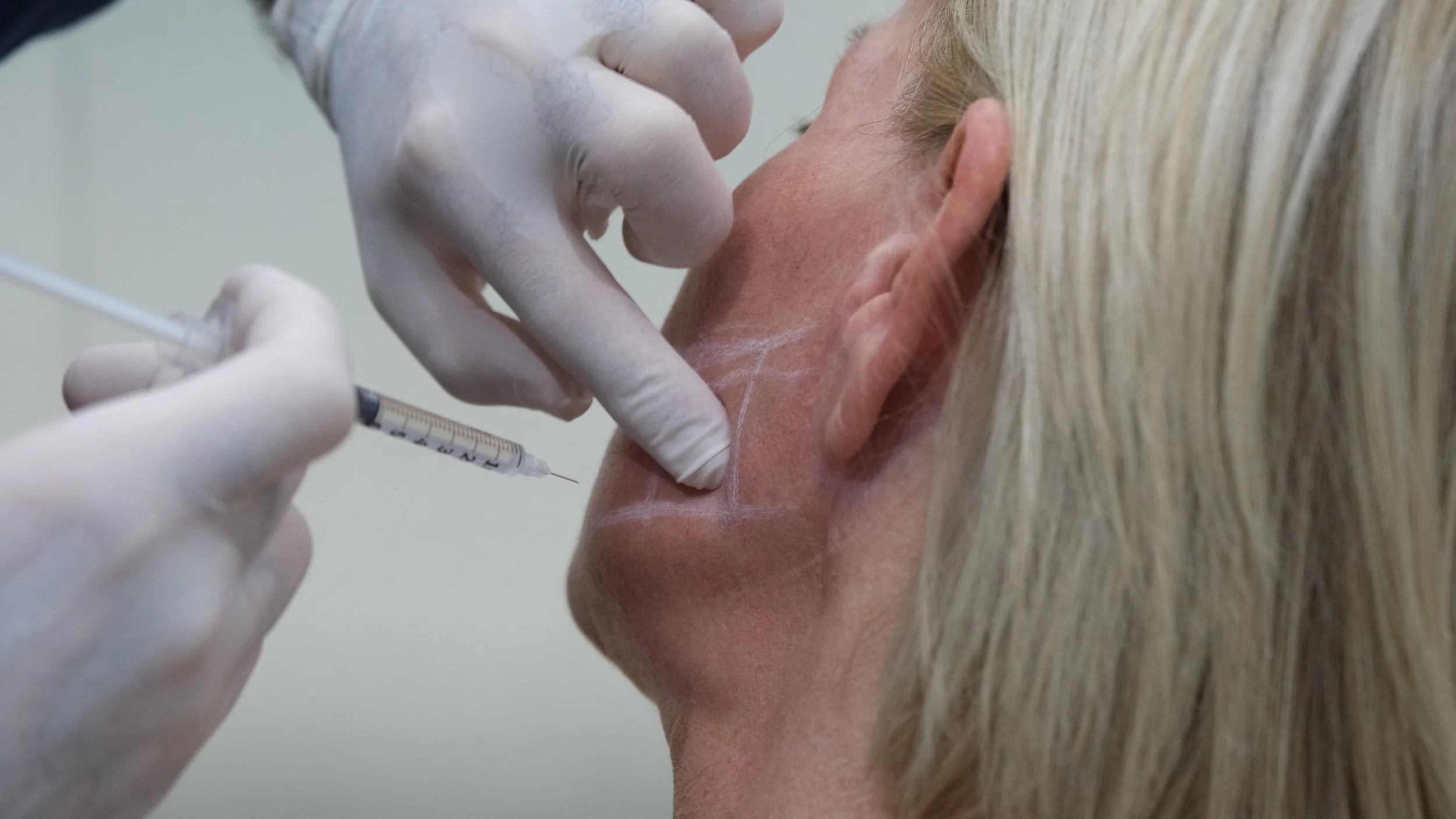
Botox: Masseteric and temporalis Botox involves injecting Botox into the masseter and temporalis muscles to relieve TMJ pain, jaw tension, or teeth grinding. By temporarily relaxing these overactive muscles, Botox reduces clenching, eases discomfort, and can also slim the jawline for cosmetic benefits. It’s a non-surgical treatment with minimal downtime.
Occlusal Splints: Specialized dental appliances that help realign the jaw and reduce strain on the TMJ.
Bite Adjustment (Occlusal Equilibration): Reshaping the biting surfaces of the teeth to improve the way the teeth come together, relieving joint stress.
Orthodontic Treatment: Braces or aligners can correct misaligned teeth or jaw positions that contribute to TMJ disorders.
Restorative Dental Work: Replacing missing teeth or adjusting dental crowns and bridges to ensure a balanced bite.
These treatments are often used in combination with lifestyle changes and other therapies for best results.
-
Schedule a consultation
If you’re experiencing TMJ pain, it’s important to seek professional advice. Our team will work with you to develop a personalized treatment plan that addresses your specific needs. To schedule a consultation, please email us at reception@toothworxbda.com.