

OUR SERVICESRestorative Dentistry

Root Canal Therapy
-
What is it?
Root canal therapy, also known as endodontics, involves the diagnosis, prevention, and treatment of diseases and injuries affecting the dental pulp—the inner soft tissue of a tooth that contains nerves. When the pulp becomes damaged or unhealthy, a root canal may be necessary to save the tooth and prevent further complications.
-
The procedure
During a root canal, the doctor uses specialized endodontic instruments to carefully remove the damaged or infected nerve tissue from the tooth. This process can be challenging, especially if the tooth has calcified or hard-to-locate nerve canals, which is common in posterior teeth. Root canal therapy typically requires 2-3 appointments to complete.
-
The importance of x-rays
X-rays play a crucial role in identifying non-vital (dead) teeth, which may not show symptoms but still require treatment. Detecting these issues early through x-rays allows Dr. Dickinson to determine if a root canal is necessary, helping to maintain your oral health and prevent further damage.

Dental Fillings
-
The purpose
Dental fillings are essential for treating cavities, repairing fractured or broken teeth, and replacing worn or leaking existing fillings. They also help build up teeth that have been worn down over time due to excessive brushing or bruxism (teeth grinding and clenching), restoring the tooth’s function and appearance.
-
Composite fillings
At Toothworx, we use composite (tooth-colored plastic) fillings that blend seamlessly with your natural teeth, providing a more aesthetically pleasing result. These fillings are durable and designed to restore both the structure and appearance of your teeth without the need for amalgam (silver) fillings.
-
Best practices
Toothworx is committed to providing the best possible care with materials that are safe, effective, and visually appealing. We do not place amalgam (silver) fillings due to their metallic appearance and potential concerns about mercury content. Instead, we focus on composite fillings that offer a more natural look and reliable performance.
Dental Crowns
-
What is it?
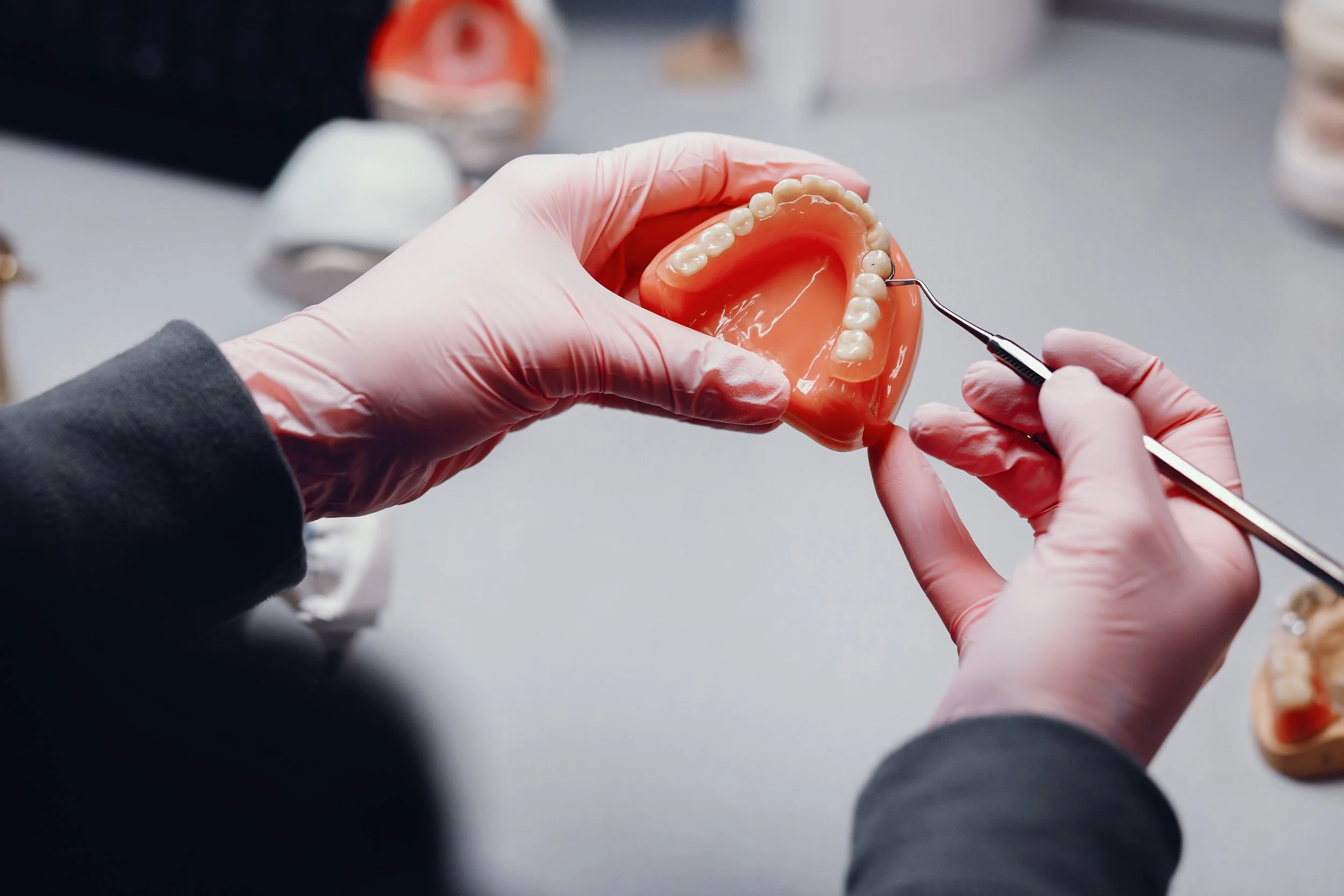
A dental crown is a protective cap that covers a tooth to restore its strength and appearance. Crowns are commonly used to protect teeth that have fractured or have been heavily restored, providing a durable and long-lasting solution.
-
The procedure
The process of getting a dental crown typically requires two appointments. During the first appointment, the doctor preps and shapes the tooth to ensure the crown will fit properly. An impression of the tooth is then taken and sent to a dental lab, where the crown is custom-made. In the second appointment, the doctor cements the new crown onto the prepped tooth and checks your bite to ensure everything fits perfectly.
-
Crown types & aftercare
1.) Porcelain-Fused-to-Metal (PFM) Crowns
Description: Porcelain exterior for aesthetics, with a metal core for strength.
2.) All-Ceramic or All-Porcelain Crowns
Description: Entirely made of ceramic materials (like zirconia or lithium disilicate).
3.) Zirconia Crowns (Monolithic or Layered)
Description: Made from zirconium dioxide, a very strong type of ceramic.
Types:
Monolithic zirconia: Stronger, less natural-looking.
Layered zirconia: More aesthetic, slightly less strong.
4.) Gold Crowns (or Other Metal Alloys)
Description: Made from gold, palladium, or base metal alloys.
5.) E-max (Lithium Disilicate) Crowns
Description: A type of all-ceramic crown known for aesthetics and strength.
6.) Stainless Steel Crowns
Description: Pre-fabricated crowns usually used for children’s baby teeth or temporary protection.

Dental Bridges
-
What is it?
A dental bridge is a non-removable prosthesis used to replace one or more adjacent missing teeth. It consists of two crowned teeth (abutments) that are attached to the replacement tooth or teeth (pontic) in between. Bridges are custom-made to restore both function and appearance, using materials similar to those used for dental crowns.
-
The procedure
The process of getting a dental bridge typically involves two appointments. During the first appointment, the doctor administers a local anesthetic (if necessary) and prepares the abutment teeth by filing them down to fit the crowns. An impression of your teeth is then taken and sent to a dental lab in Canada, where the bridge is fabricated. In the second appointment, about 3-4 weeks later, the doctor will remove the temporary bridge, prepare the teeth as needed, and permanently cement the final bridge. The bite is carefully checked to ensure proper alignment.
-
Aftercare & follow-up
After the procedure, it’s important to avoid eating until the anesthetic has worn off to prevent injury. If you experience pain or if your bite feels off, contact our office immediately for assistance. Proper aftercare is essential to ensure the longevity and success of your dental bridge.
Dentures
-
Types of dentures
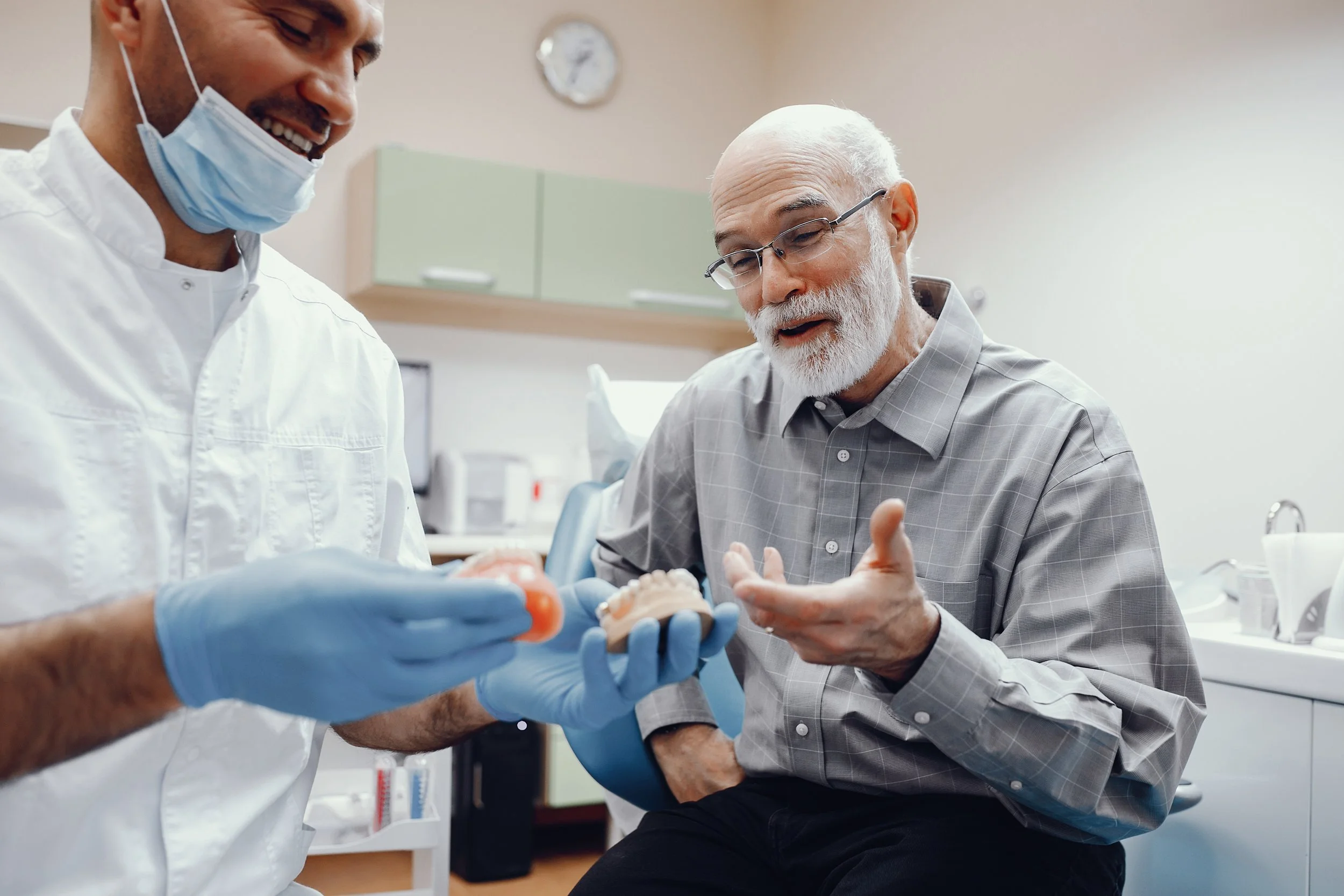
Dentures are removable appliances that restore your ability to eat, talk, and smile by replacing missing teeth. Full dentures replace all missing teeth, while partial dentures replace one or more teeth and may use metal or acrylic clasps for stability. Conventional dentures are fitted after teeth are removed and tissues have healed, while immediate dentures are placed right after tooth removal, often requiring a reline later. Overdentures fit over existing teeth or implants for added security.
-
Caring for your dentures
Proper denture care is essential to maintain their function and your oral health. Always remove your dentures before sleeping to prevent fractures and allow your gum tissues to breathe. Soak them in water or a mild denture solution overnight. Brush your dentures in the morning, at night, and after meals with a soft brush and a non-abrasive cleaner, like liquid hand soap. Additionally, rinse your mouth after removing the dentures and schedule routine hygiene check-ups to have your dentures professionally cleaned and assessed for fit.
-
Important considerations
When caring for dentures, avoid using abrasive cleaning products like toothpaste, bleach, or hard-bristled brushes, as these can damage them. Dentures may need adjustments over time due to changes in bone density, as the jawbone gradually loses mass without natural teeth to support it. Eventually, dentures will need to be remade and replaced. After receiving new dentures, some discomfort may occur initially; if you experience pain, contact us so the doctor can adjust them for a better fit.