
What are the signs and symptoms of Sleep Apnea and how can my Dentist help?
Signs & Symptoms of Sleep Apnea
1. Loud, chronic snoring – Often noticed by a partner or family member.
2. Pauses in breathing during sleep – Gasping or choking episodes.
3. Excessive daytime sleepiness – Feeling very tired even after a full night’s sleep.
4. Morning headaches or dry mouth – Low oxygen levels or mouth breathing can cause these.
5. Difficulty concentrating or mood changes – Poor sleep quality affects focus and mental health.
6. Teeth grinding (bruxism) – Often caused by disrupted sleep and/or trying to create a better airway to breath.
7. High blood pressure or other health issues – Sleep apnea can worsen cardiovascular health.
How can your Dentist Help?
1. Early detection
Dentists often spot signs in the mouth, jaw, and teeth during routine checkups.
2. Oral appliance therapy
Custom-made devices reposition the jaw and tongue to keep your airway open while you sleep—an alternative to CPAP machines for some patients with mild to moderate sleep apnea.
3. Monitoring and support
Dentists follow up to ensure the device fits properly, works effectively, and doesn’t harm your teeth or gums.
4. Overall health advocacy
Dentists understand that oral health and overall health are connected. Treating sleep apnea can reduce health risks and improve quality of life.
🦷 Bottom line: If you or a loved one notices loud snoring, daytime sleepiness, or other signs, mention it to your dentist. They can help screen for sleep apnea and guide you toward effective treatment.
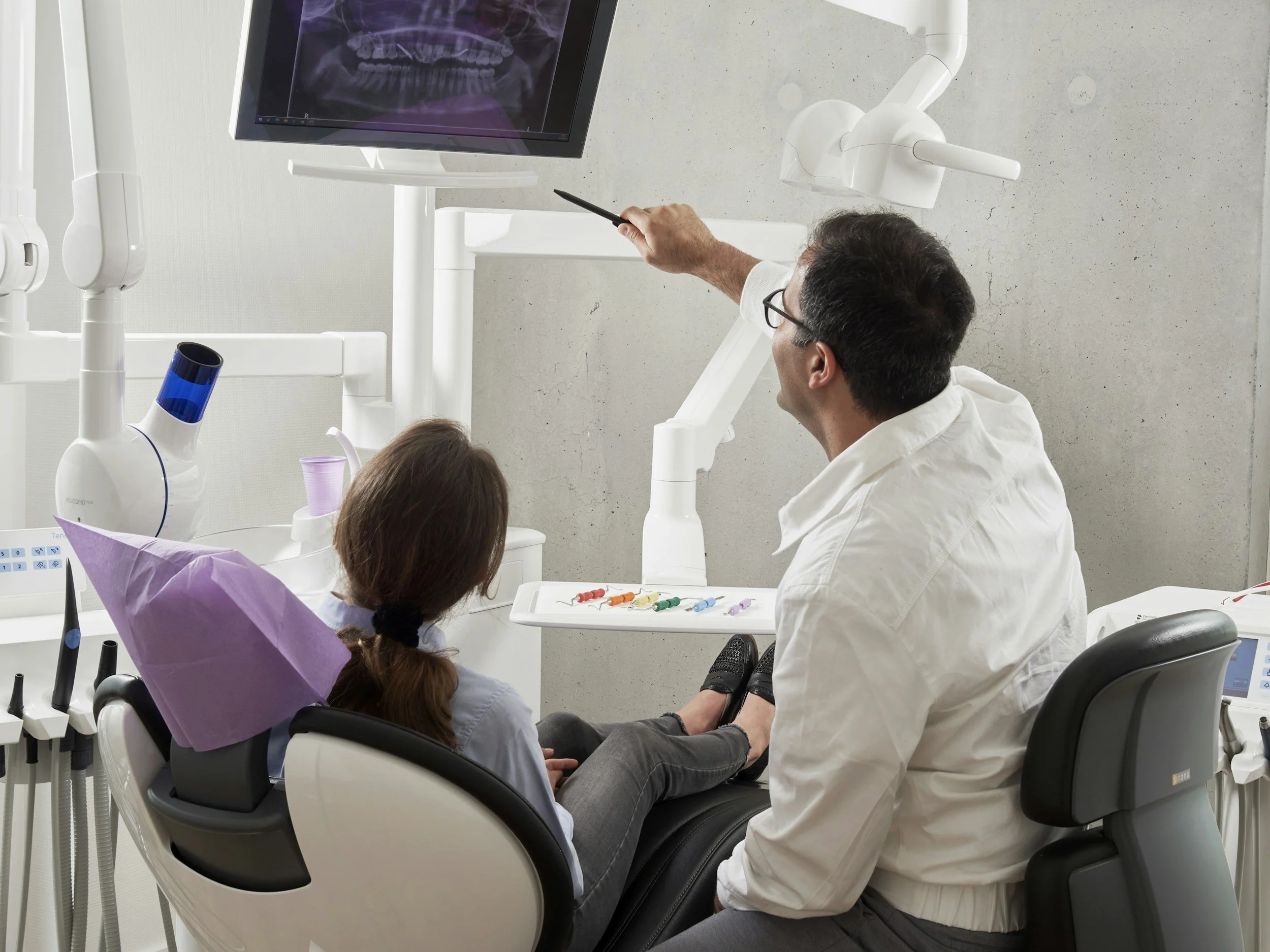
Do you have a lot of the symptoms listed above?